Understanding Commercial Painting Estimates and Scopes
A commercial painting estimate should do more than list a price. It should explain what will be painted, how surfaces will be prepared, which coating system will be used, and how the contractor will protect your property and schedule. Without those details, a low bid can become an expensive project once change orders, delays, or premature coating failure enter the picture.
For facility managers, property owners, and general contractors across Milwaukee and Waukesha, learning how to evaluate commercial painting quotes makes it easier to compare contractors fairly and protect the project budget. This guide from Bayview Painters Inc explains what a complete scope should include, which questions to ask, and how to spot gaps before signing a contract.
Start With a Clearly Defined Scope of Work
The scope of work is the foundation of a reliable estimate. It should identify the buildings, rooms, elevations, surfaces, and architectural elements included in the project. Descriptions such as “paint offices” or “coat exterior walls” leave too much room for interpretation.
A useful commercial painting estimate scope of work should address:
- Walls, ceilings, doors, frames, trim, railings, exposed structure, and other included surfaces
- Areas that are specifically excluded
- Existing surface conditions and known repairs
- Required cleaning, scraping, sanding, patching, or caulking
- Primer type and where it will be applied
- Paint manufacturer, product line, finish, and color assumptions
- Expected number of finish coats or required coverage standard
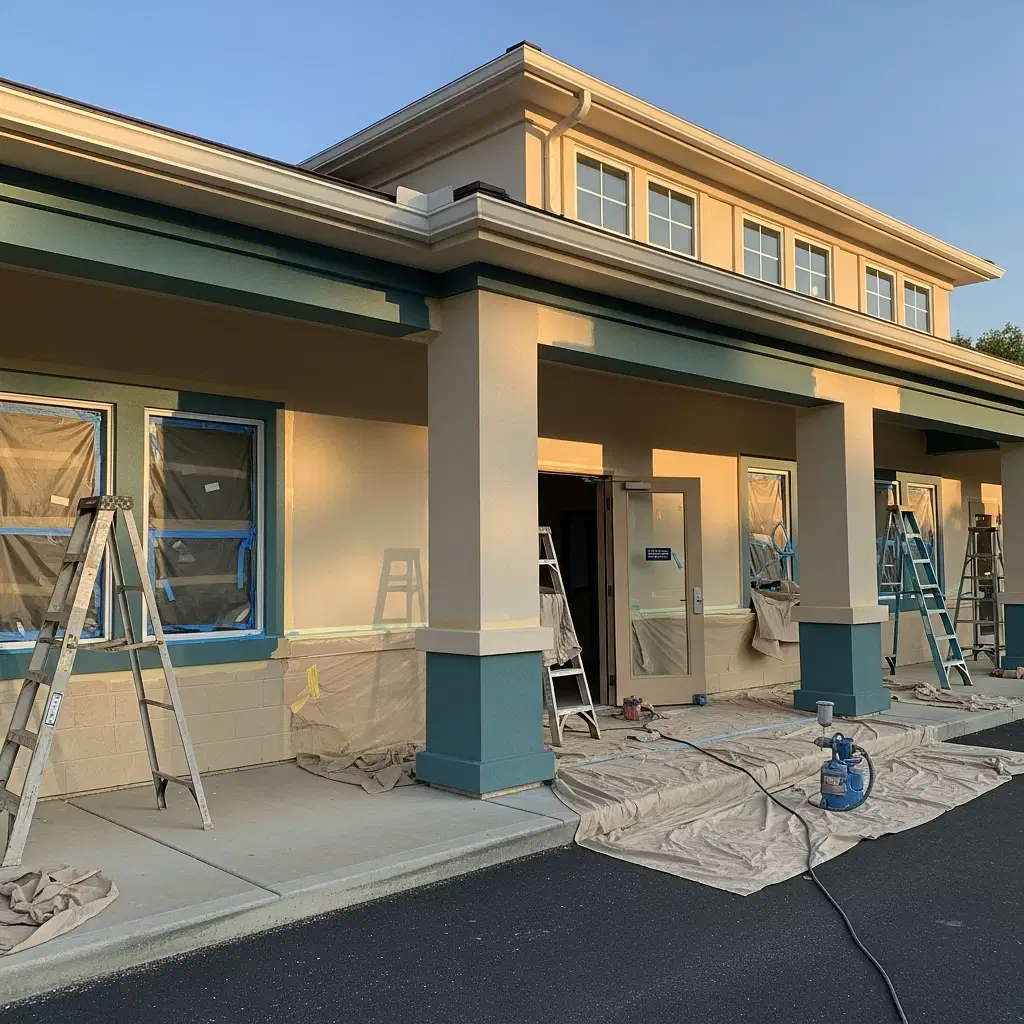
- Protection of floors, equipment, furnishings, landscaping, and occupied areas
- Access requirements, including lifts, scaffolding, or special equipment
- Work hours, phasing, estimated duration, and cleanup responsibilities
Surface preparation deserves special attention because it directly affects durability. Peeling paint, grease, moisture, rust, damaged drywall, or failed caulk cannot simply be covered and expected to last. A professional proposal should distinguish standard preparation from repairs that require separate approval. When wall damage is present, drywall repair may need to be completed before coatings are applied.
Understand What Drives the Price
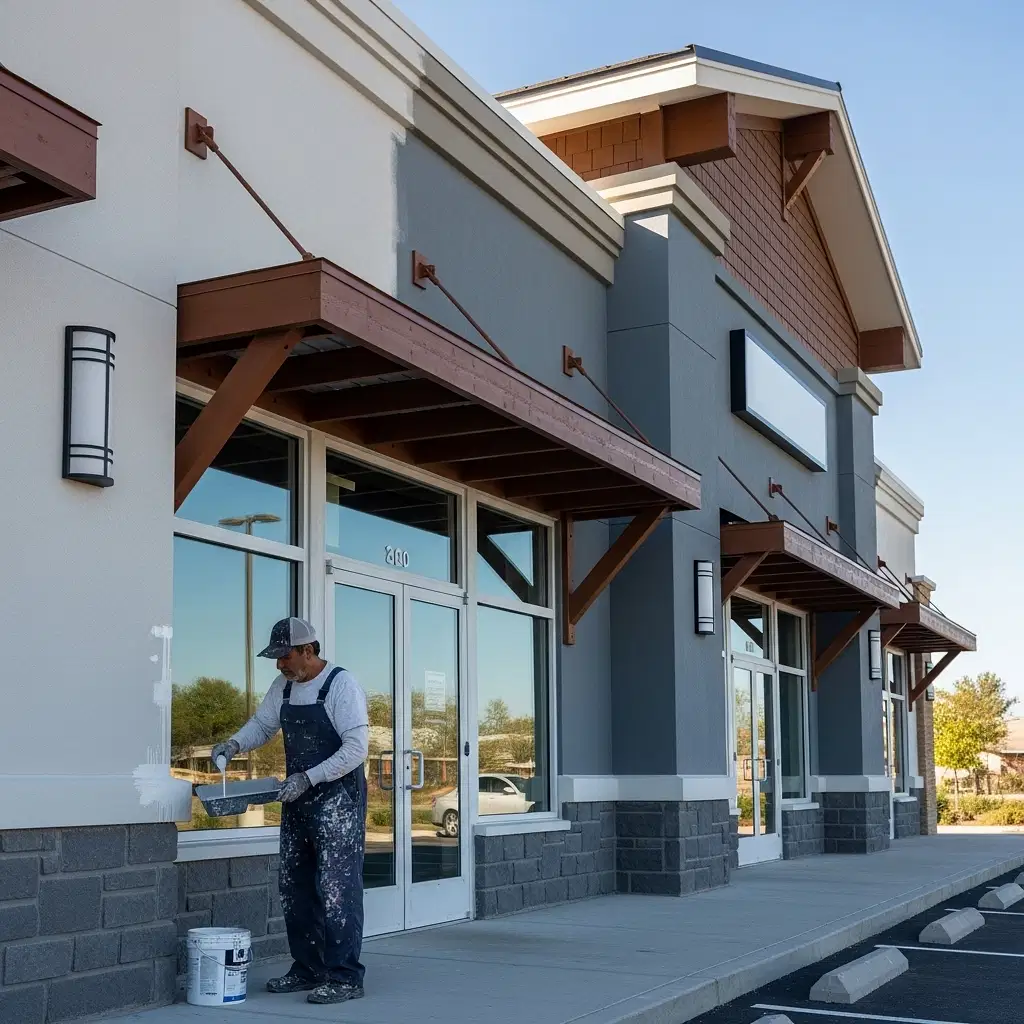
Commercial painting cost is rarely based on square footage alone. Labor, access, preparation, coating performance, and scheduling can all affect the final figure. Two buildings of the same size may require very different levels of work.
Surface condition and preparation
Sound, previously painted drywall may need minor patching and cleaning. Weathered masonry, corroded metal, failing coatings, or heavily damaged walls require more labor and specialized materials. Preparation should not be reduced simply to make a bid look less expensive.
Coating system
Primer is not automatically necessary everywhere, but it is often required on bare substrates, repaired areas, stains, significant color changes, or surfaces where adhesion is a concern. Paint-and-primer products do not replace a dedicated primer in every situation. The correct system depends on the substrate and exposure.
The number of coats also varies. Color, product specifications, surface porosity, and the existing finish all matter. Instead of relying only on a promised coat count, look for language requiring uniform color, proper coverage, and the manufacturer’s recommended dry-film thickness.
Access and operational constraints
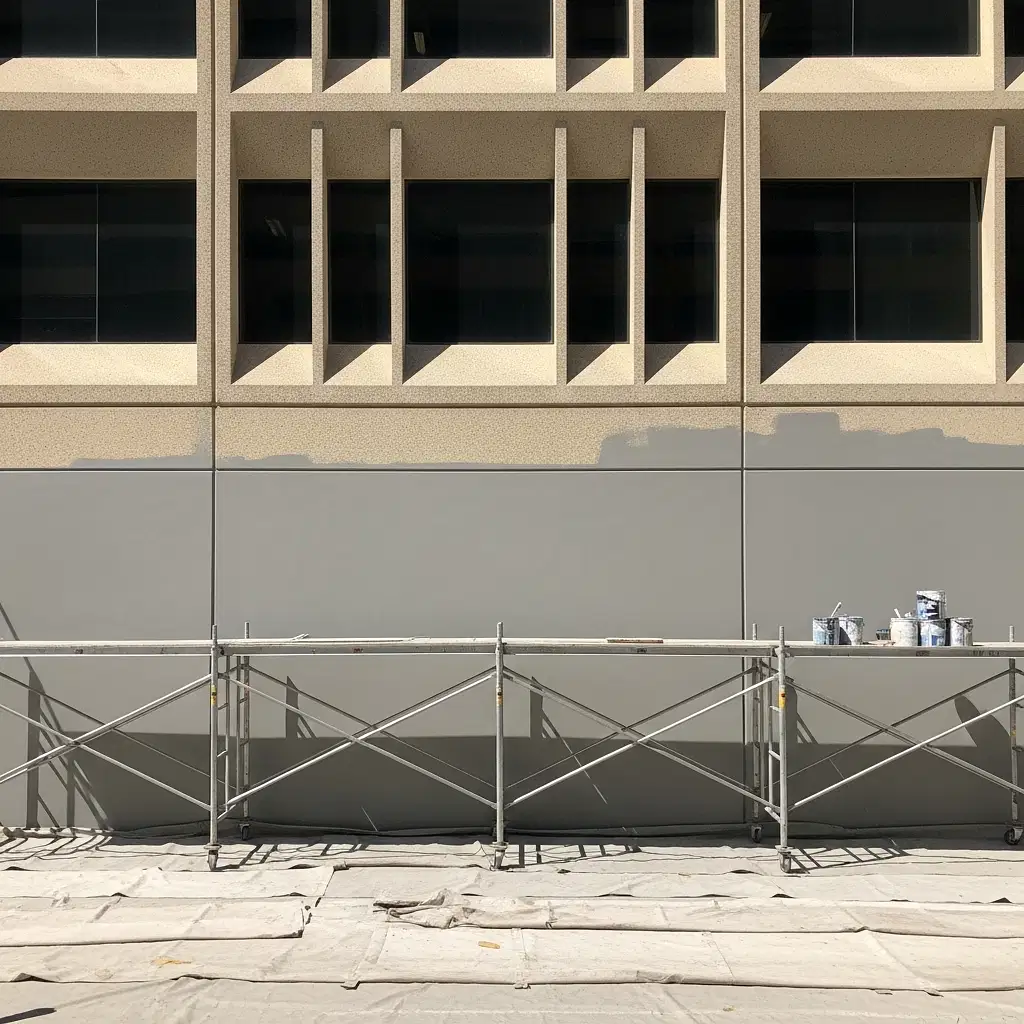
High ceilings, warehouses, stairwells, occupied offices, production equipment, and exterior elevations can require lifts, containment, additional protection, or off-hours work. If a business must remain open, the contractor may need to complete work in phases to reduce noise, odors, and disruption.
Material and labor realities
Material prices and skilled-labor availability continue to affect estimates. Detailed proposals reduce the risk of underbidding and rushed work. Modern estimating software can improve measurements and consistency, but even AI-assisted tools should be supported by an on-site review of access, substrate condition, and operational needs.
Use an Apples-to-Apples Bidding Checklist
When bids differ substantially, the contractors may not be pricing the same work. Use this commercial painting contractor bidding checklist to compare proposals line by line:
- Scope: Are the same surfaces, elevations, and quantities included?
- Preparation: Does each bid specify cleaning, patching, sanding, scraping, caulking, and rust treatment?
- Materials: Are the manufacturer, product line, sheen, and primer clearly identified?
- Application: Does the proposal explain whether coatings will be brushed, rolled, or sprayed and how surrounding areas will be protected?
- Access: Are lifts, scaffolding, permits, and equipment costs included?
- Schedule: Are start assumptions, working hours, project phases, and weather contingencies addressed?
- Cleanup: Who removes masking, debris, empty containers, and leftover materials?
- Credentials: Can the contractor provide appropriate licensing, insurance, references, and safety information?
- Warranty: What workmanship or coating failures are covered, for how long, and what exclusions apply?
- Change orders: How will concealed damage, added work, or color changes be documented and priced?
A professional contractor should also address applicable OSHA practices and job-specific regulations. Buildings with older coatings may require testing or special procedures. EPA Lead-Safe requirements can apply to certain renovation work involving pre-1978 properties, so the building type and use should be discussed before work begins.
For expansive facilities, multiple structures, or complicated phasing, large commercial painting requires especially careful planning. Production shutdowns, tenant coordination, lift movement, coating cure times, and weather windows should be visible in the estimate rather than handled informally after work starts.
Clarify Exclusions, Allowances, and Project Changes
An estimate is easier to trust when it states what is not included. Common exclusions may involve concealed substrate damage, water intrusion, hazardous-material remediation, major carpentry, moving specialized equipment, or repairs discovered after loose coatings are removed.
Allowances should also be explained. If final colors or coating systems have not been selected, the bid may assume a standard product and a limited number of colors. Deep colors, specialty finishes, or dramatic color changes can affect material use and labor. Ask whether the price changes if selections fall outside the allowance.
Before approving extra work, request a written change order that includes:
- The reason for the change
- Added or removed work
- Labor and material cost
- Effect on the completion schedule
- Authorization from the appropriate project representative
Clear documentation protects both parties and prevents an awkward surprise at the end of the job. It also helps building owners distinguish a legitimate concealed condition from an item that should have been included in the original scope.
Get a Commercial Painting Proposal You Can Evaluate Confidently
The strongest estimate is not necessarily the lowest or longest. It is the one that clearly connects surface conditions, preparation, materials, access, safety, scheduling, and cleanup to a defined price. That transparency helps you assess workmanship, control change orders, and choose a coating system designed to last.
Bayview Painters Inc has served the region since 1993 and provides commercial painting, large commercial painting, corporate repaints, dryfall coatings, drywall services, wall coverings, and finishes for new construction and remodeling. You betcha, careful planning matters just as much as the final coat.
Planning a commercial project in southeastern Wisconsin? Contact Bayview Painters Inc to discuss the property, operating schedule, surface conditions, and the level of detail your proposal requires.