Beyond the Brush: Maximizing Durability for Large Commercial Painting Projects
A fresh coat of paint on a commercial building does more than just improve its curb appeal; it’s a critical investment in the property's longevity and professional image. For property managers and business owners, a large-scale painting project represents a significant outlay of time and capital. The last thing you want is a finish that chips, fades, or fails prematurely, leading to costly repairs and disruptions. Especially in the Milwaukee area, where our buildings face everything from humid summers to harsh, freezing winters, durability isn't a luxury—it's a necessity.
So, how do you ensure your investment is protected? The key lies in a comprehensive approach that goes far beyond simply applying paint to a surface. It involves meticulous preparation, selecting the right industrial-grade coatings, employing advanced application techniques, and seamless project management. This guide will walk you through the essential factors that contribute to a long-lasting, high-performance finish for your commercial property.
The Foundation of Durability: Meticulous Surface Preparation
You can have the most advanced paint in the world, but if it’s applied to a poorly prepared surface, it’s destined to fail. Proper surface preparation is the single most important factor in the longevity of any paint job. It’s a non-negotiable first step that ensures the new coating can properly adhere to the substrate, creating a strong, lasting bond.
For large commercial properties, this process is intensive and requires professional expertise. It typically involves:
- Thorough Cleaning: Surfaces accumulate years of dirt, grime, pollutants, and chalky residue. High-powered pressure washing is often necessary to remove these contaminants, creating a clean slate for the new paint.
- Comprehensive Repairs: Any existing damage must be addressed. This includes repairing cracks in concrete, fixing failing mortar joints, treating rust on metal surfaces, and performing any necessary drywall repairs. Painting over these issues is like putting a bandage on a broken bone—it only hides the problem temporarily.
- Creating a Profile: Surfaces that are too smooth or glossy won't hold paint well. Sanding, grinding, or scuffing creates a surface profile, or a fine texture, that gives the primer and paint something to grip onto.
- Strategic Priming: Primer is the critical link between the surface and the topcoat. The right primer seals porous surfaces, blocks stains, prevents rust, and ensures uniform color. Different substrates, like precast concrete, steel beams, or previously painted surfaces, require specific types of primers for optimal adhesion and durability.
Choosing the Right Industrial Coatings for Wisconsin's Climate
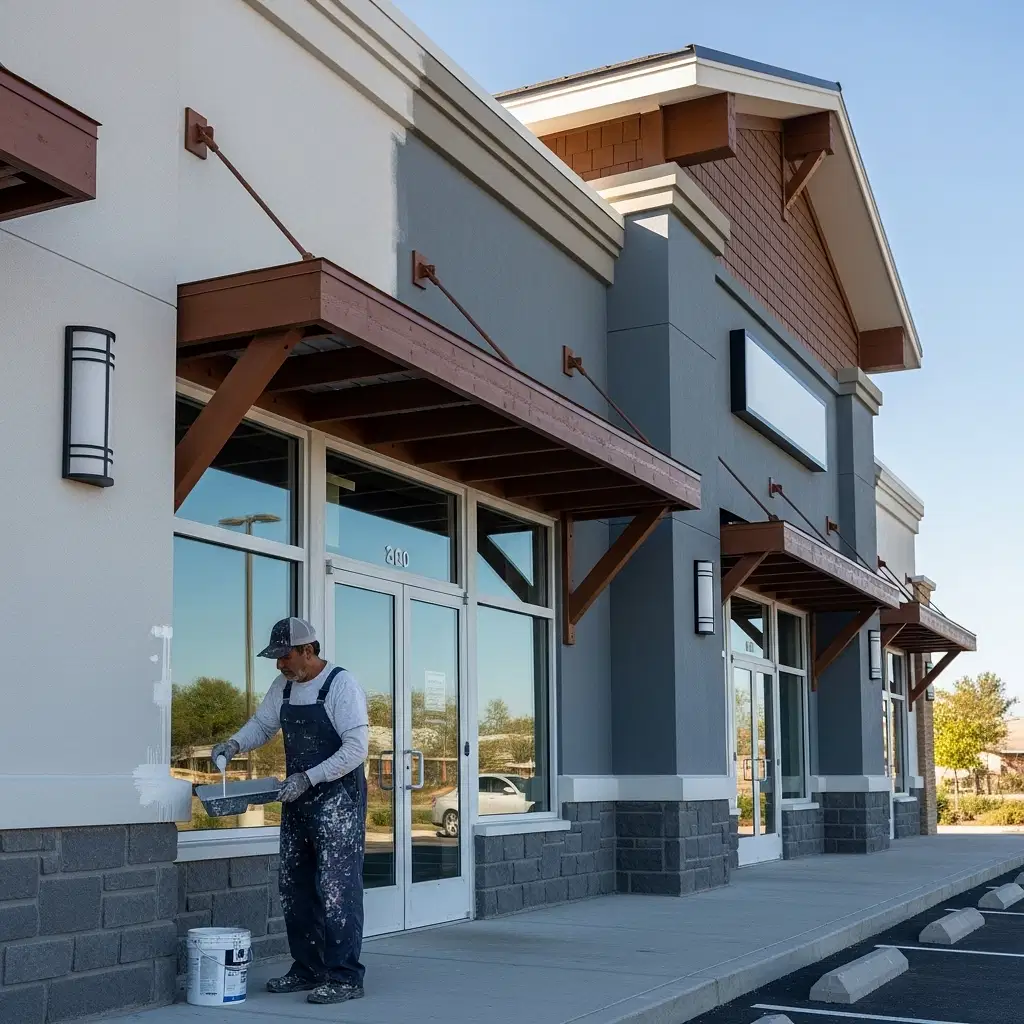
Standard residential paint isn't engineered to withstand the demands of a commercial environment or the punishing Wisconsin weather. Commercial properties require high-performance industrial coatings designed for specific challenges, from heavy foot traffic and chemical exposure to constant UV rays and the freeze-thaw cycles we experience near the lakefront.
Selecting the right product is a science. Here are a few examples of specialized coatings used in commercial painting projects:
- Elastomeric Coatings: Ideal for masonry, stucco, and concrete surfaces, these thick, flexible coatings can bridge hairline cracks and move with a building as it expands and contracts with temperature changes. They provide an excellent waterproof barrier against moisture intrusion.
- Epoxy and Urethane Systems: Often used for floors in warehouses, garages, and manufacturing facilities, these two-part systems create an incredibly hard, durable finish that resists abrasion, impact, and chemical spills. They can also be used on walls in high-abuse areas.
- Direct-to-Metal (DTM) Coatings: For metal siding, structural steel, and railings, DTM coatings are formulated with special resins that provide superior adhesion and rust inhibition, often eliminating the need for a separate primer.
- Low-VOC/Zero-VOC Paints: As health and environmental consciousness grows, high-quality, low-odor paints are becoming the standard for occupied spaces like offices and retail stores. These modern formulations offer excellent durability without the harsh fumes, improving indoor air quality for employees and customers.
Advanced Application for a Flawless, Efficient Finish
How the coating is applied is just as important as the coating itself. For large commercial painting projects, efficiency and a uniform finish are paramount. While traditional brush-and-roll methods have their place for detail work, advanced techniques are often required for large surfaces.
One of the most effective methods for industrial interiors like warehouses, factories, and parking garages is the use of Dryfall coatings. Dryfall is a specialized spray-applied paint designed for overhead surfaces. Its key feature is that the overspray dries into a dust-like powder before it can travel more than ten feet. This powder can be easily swept or wiped away, drastically reducing cleanup time and protecting the equipment, inventory, and vehicles below. This technique allows for fast application, minimal disruption, and a bright, clean finish that improves lighting and visibility within the space.
For exteriors and large interior walls, airless sprayers provide a fast, efficient way to apply a smooth, even coat of paint, ensuring consistent thickness and superior protection.
Project Management: Minimizing Disruption to Your Business
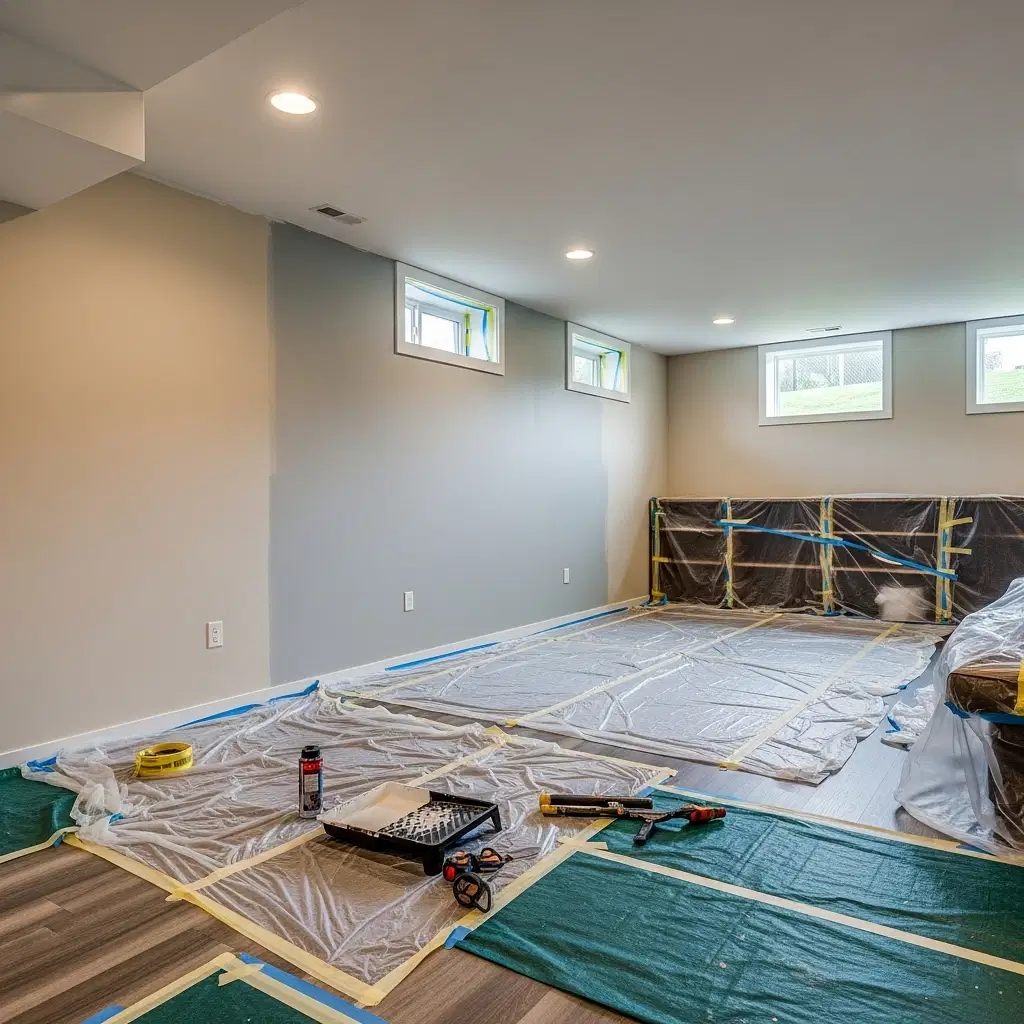
We understand that a corporate repaint or large-scale project can't bring your business operations to a halt. This is where experienced project management becomes invaluable. A professional painting contractor should function as a partner, working with you to create a plan that minimizes disruption.
Effective project management includes:
- Clear Communication: You should have a single point of contact and receive regular updates on progress.
- Flexible Scheduling: This can mean working after hours, on weekends, or phasing the project in sections to keep your business running smoothly.
- Safety First: A professional crew will prioritize safety, using proper equipment, setting up secure work zones, and adhering to all OSHA guidelines to protect your employees and customers.
- Meticulous Cleanup: The project isn't finished until the site is spotless. A commitment to daily cleanup and a thorough final cleaning ensures your property is left in pristine condition.
By focusing on these four key areas—preparation, materials, application, and management—you can ensure your next commercial painting project results in a durable, attractive finish that protects your property and enhances your brand for years to come.
Ready to Protect Your Investment?
If you're planning a large-scale painting project for your commercial property in the Milwaukee area, trust the experts at Bayview Painters Inc. We have the experience, equipment, and project management skills to deliver a high-quality, durable finish with minimal disruption to your business. Contact us today for a comprehensive consultation and a detailed estimate for your commercial painting, corporate repaint, or dryfall application needs.