
A Homeowner's Guide to Painting Cream City Brick and Historic Exteriors
Milwaukee is a city defined by its stunning architecture, from charming bungalows to stately homes built with our iconic Cream City brick. Owning one of these historic properties is a point of pride, but it also comes with unique maintenance challenges. If you're considering painting your historic brick exterior, you likely have questions and concerns. Can it be done without causing damage? What's the right process to ensure a beautiful, long-lasting finish?
Painting historic masonry is more than just a cosmetic update; it's a significant project that, when done correctly, can protect and enhance your home's value for years to come. When done improperly, it can lead to costly problems down the road. This guide will walk you through the essential considerations for painting Cream City brick and other historic exteriors, ensuring you can make an informed decision for your cherished home.
To Paint or Not to Paint? Understanding Your Brick
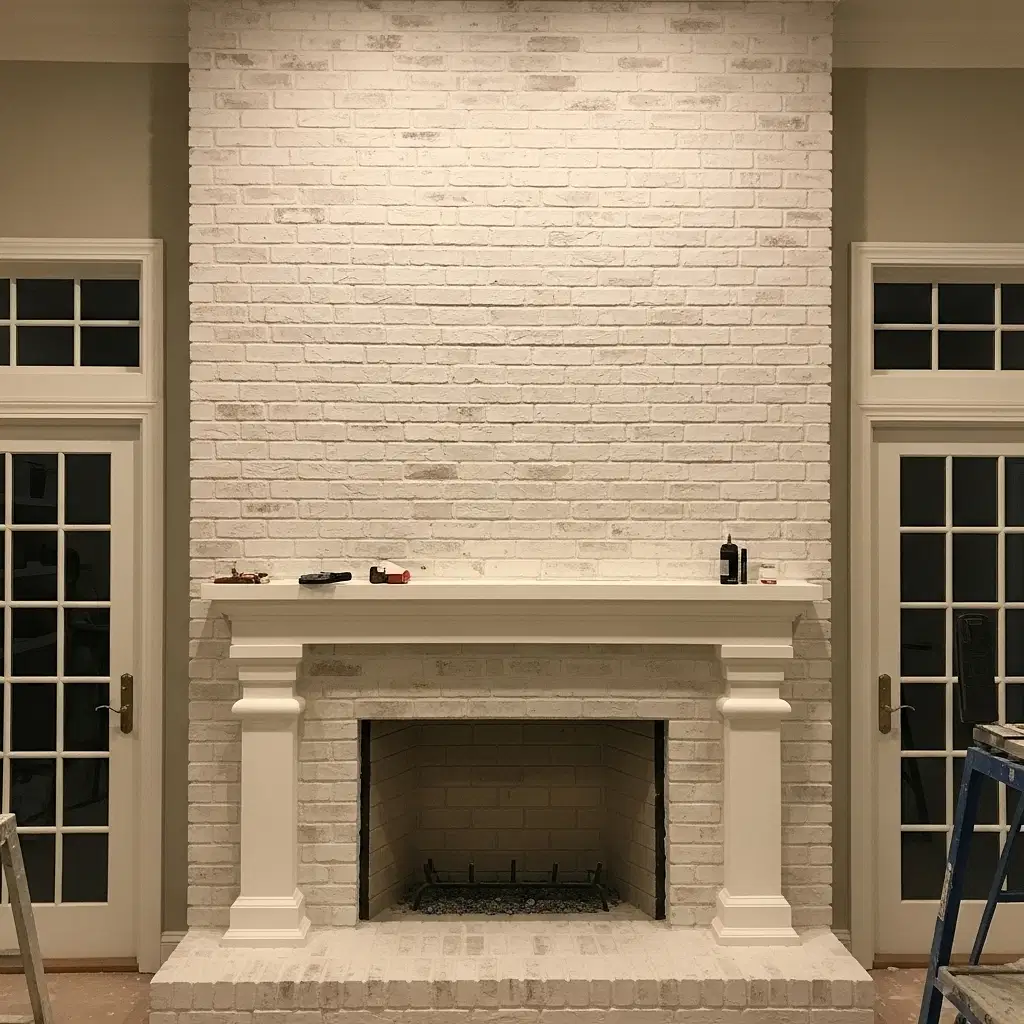
Cream City brick gives our region's buildings a unique, warm glow. This material, made from local clay, is softer and more porous than modern brick. This porosity is key—the brick needs to breathe. Trapping moisture inside with the wrong type of paint is one of the biggest risks, potentially causing the paint to peel and the brick itself to spall or crumble over time, especially with our Wisconsin freeze-thaw cycles.
So, should you paint it? Here are a few reasons why homeowners choose to:
- To Seal and Protect: If the brick is already deteriorating or has been previously painted and is now failing, a proper paint job with the right materials can provide a protective, breathable barrier against the elements.
- To Address Stains: Sometimes, brick has irreversible staining or has been mismatched during previous repairs. Painting creates a uniform, clean look.
- For a Style Update: A new color can dramatically update your home's curb appeal and reflect your personal style.
The decision to paint is significant. The most important factor is ensuring it's done with materials that work with the brick, not against it. A breathable, high-quality masonry paint allows water vapor to escape, which is crucial for the health of your home's exterior.
The Foundation of a Flawless Finish: Preparation is Everything
A lasting paint job on a historic home is 90% preparation. Simply pressure washing and applying a coat of paint is a recipe for failure. A professional approach involves a meticulous process to ensure the surface is sound, clean, and ready to accept paint.
- Thorough Cleaning: The brick must be gently but effectively cleaned to remove decades of dirt, grime, and any biological growth like mildew or algae. We avoid overly aggressive pressure washing that can damage the soft brick and mortar.
- Detailed Inspection and Repair: This is a critical step. We inspect every inch of the exterior for issues. Are there cracked mortar joints that need tuckpointing? Is there any wood trim or siding that has started to rot? Addressing these underlying problems is essential. Our light carpentry services allow us to repair or replace damaged wood trim, window sills, and fascia boards before any painting begins.
- Allowing for Proper Drying: After cleaning and repairs, the masonry must be given adequate time to dry completely. Painting over a damp surface will trap moisture and guarantee paint failure.
Skipping any of these steps means the final coat of paint won't adhere properly and will not last, wasting your time and investment. This commitment to detail is what separates a professional job from a quick fix.
Choosing the Right Armor: Primers and Paints for Wisconsin Weather
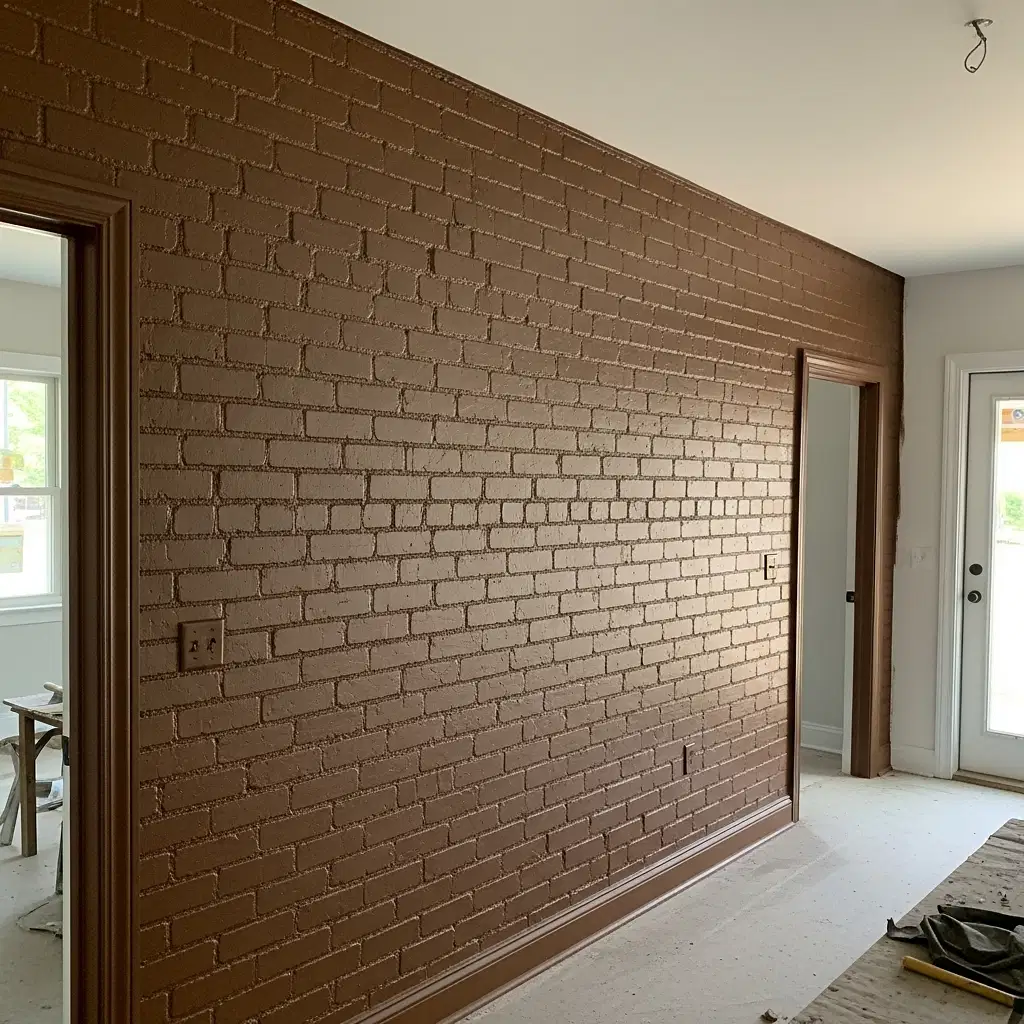
Once the surface is perfectly prepped, selecting the right products is the next crucial decision. Standard exterior latex paint is not suitable for historic brick. You need specialized products designed for masonry that can handle the humidity from the lakefront and our harsh winters.
- Masonry Primer/Conditioner: We always start with a high-quality masonry primer. This product is designed to soak into the porous brick, sealing the surface and creating a stable, uniform base for the paint to adhere to. It helps prevent the paint from soaking in unevenly and ensures a consistent finish.
- Breathable Top Coats: The finish paint must be vapor permeable, or “breathable.” We typically use premium elastomeric or 100% acrylic latex coatings formulated specifically for masonry. These paints create a durable, flexible shield that protects against wind-driven rain while still allowing moisture vapor from within the structure to escape.
Using these advanced paint systems ensures your home's exterior is not only beautiful but also protected. This is a key part of our residential painting process, guaranteeing a finish that stands the test of time.
Trust the Experts for Your Historic Home
Painting a historic brick home is a specialized skill that requires a deep understanding of local architecture, materials, and climate. The right preparation, products, and application techniques are non-negotiable for a successful outcome that preserves the integrity of your property.
At Bayview Painters Inc., we have decades of experience working on the unique and beautiful homes in the Milwaukee area. We combine meticulous preparation and repair, including light carpentry, with the highest quality materials to deliver a stunning and durable exterior painting finish. If you're ready to restore the beauty of your historic home, we're here to help.
Contact us today for a professional consultation and a detailed estimate for your project.