
A Homeowner's Guide to Lead Paint in Older Milwaukee Homes
Milwaukee is rich with history, and that history is beautifully reflected in our homes. From charming bungalows in Bay View to stately Victorians, these older properties have a character you just can't replicate. But with that character often comes a hidden risk: lead-based paint. If your home was built before 1978, there's a good chance lead paint is present on your walls, trim, or siding. While it might seem like a daunting issue, understanding the risks and knowing the right way to handle it is the key to protecting your family and preserving your home's beauty. This guide will walk you through why lead paint is a concern and how to approach your next painting project safely and professionally.
The Hidden Dangers of Lead-Based Paint
For decades, lead was a common ingredient in paint, valued for its durability and color. We now know that lead is a highly toxic metal that poses significant health risks, especially to children and pregnant women. When lead paint is in good condition, it's generally not an immediate hazard. The danger arises when the paint starts to deteriorate—chipping, cracking, or turning to dust.
Common home renovation activities like sanding, scraping, or even the friction from opening and closing an old window can release microscopic lead dust into the air. This dust can settle on floors, toys, and other surfaces, creating a serious exposure risk. Inhaling or ingesting this dust can lead to severe health problems, affecting brain development, the nervous system, and other vital organs. This is why federal and local regulations, like the EPA's Renovation, Repair, and Painting (RRP) Rule, exist to ensure that any work disturbing lead paint is done safely by certified professionals.
How to Tell if You Have Lead Paint
So, how do you know if this is something you need to worry about in your home? The single most important factor is the age of your house. The 1978 federal ban is the key date; the older your home is, the higher the likelihood of lead paint.
Here are a few things to consider:
- Visual Clues: Deteriorating lead paint often has a distinct scaly or “alligatoring” pattern. While not a definitive test, it can be an indicator.
- DIY Test Kits: You can purchase lead paint test kits at most hardware stores. These can be a good first step, but they can sometimes produce false positives or negatives if not used correctly.
- Professional Inspection: The most reliable way to confirm the presence of lead is to hire a certified lead risk assessor. They can use specialized equipment, like an X-ray fluorescence (XRF) analyzer, to detect lead paint without damaging the surface.
If you suspect you have lead paint, it's crucial to avoid disturbing it. Don't scrape or sand suspicious areas, as this is the primary way lead dust is created.
Why DIY Lead Paint Removal is a Risky Idea
For the avid DIYer, tackling a home project is a rewarding experience. However, when lead paint is involved, it's a job best left to certified professionals. The risks of improper removal far outweigh any potential cost savings.
Without the proper training, containment systems, and specialized equipment, you can easily contaminate your entire home. A standard shop vacuum, for example, is not equipped to capture tiny lead particles and can spread them through the air. The professional lead paint remediation process involves:
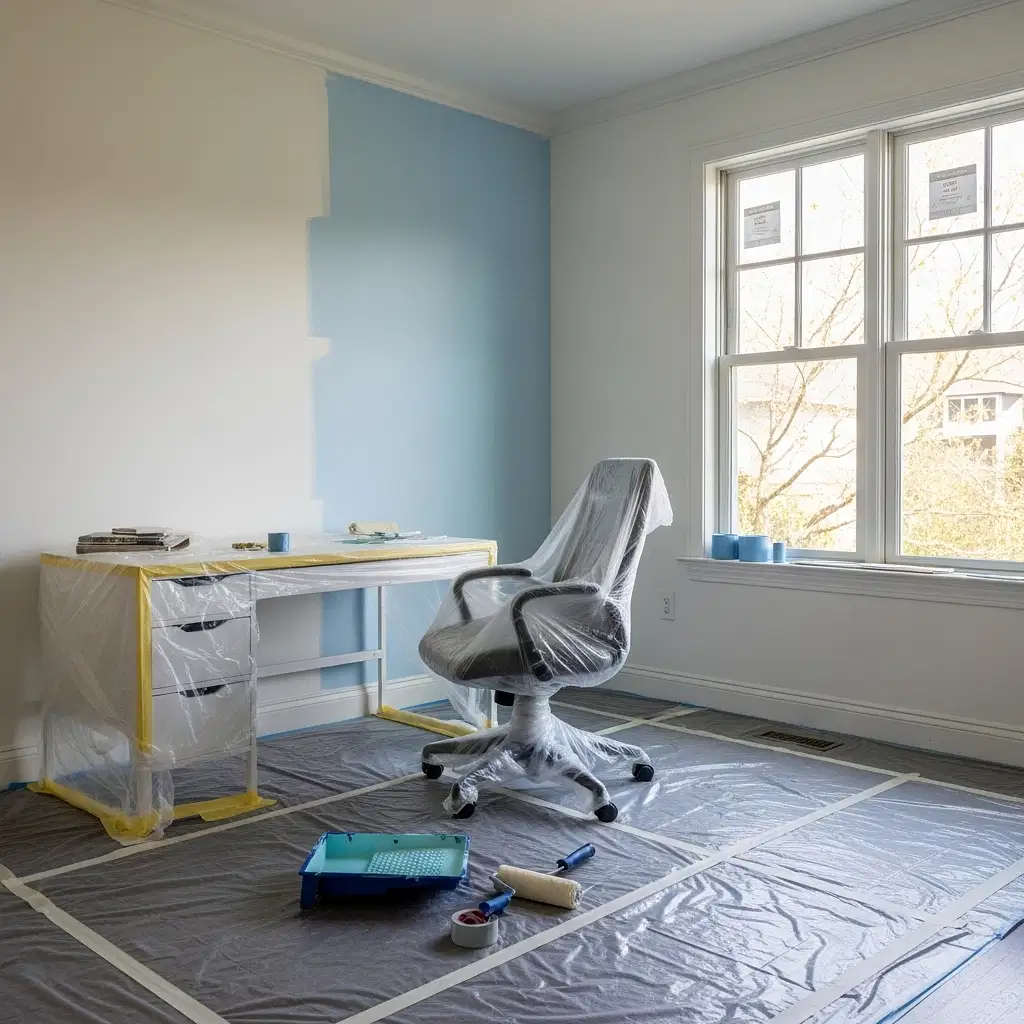
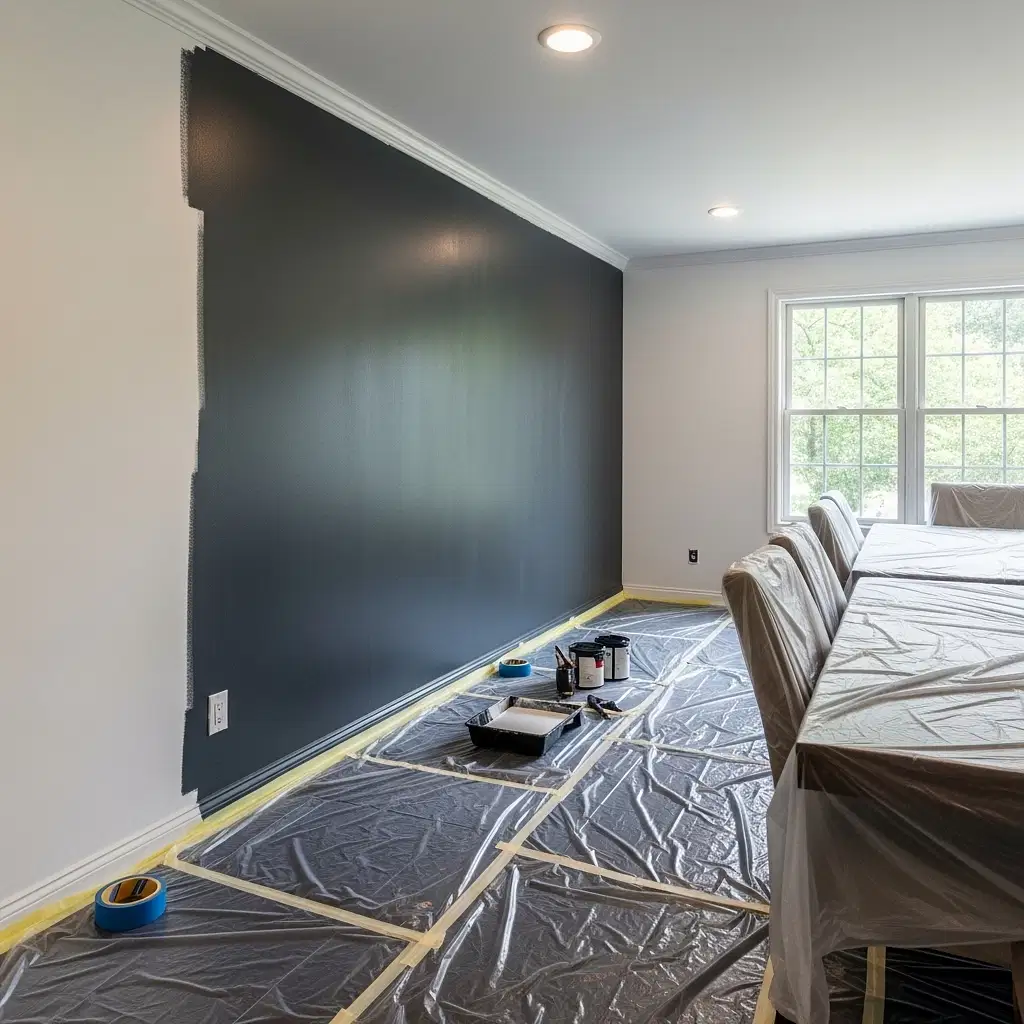
- Strict Containment: Sealing off the work area with heavy-duty plastic to prevent dust from escaping.
- Specialized Tools: Using tools with HEPA-filtered vacuum attachments and methods like wet sanding to minimize dust creation.
- Personal Protective Equipment (PPE): Wearing respirators, coveralls, and gloves to protect workers.
- Thorough Cleanup: A multi-step cleaning process followed by careful disposal of all contaminated materials according to regulations.
Attempting this without certification not only endangers your family's health but can also lead to costly cleanup and remediation down the line.
The Safe Solution: Working with an EPA RRP Certified Painter
At Bayview Painters Inc., we are an EPA Lead-Safe Certified Firm. This means our team is fully trained in the specific practices required to handle lead paint safely and effectively. When you hire us for your residential painting project, you can trust that we will protect your home and family.
Our lead-safe interior painting practices ensure that your project is handled with the utmost care from start to finish. Whether it's preparing a surface for a fresh coat of paint or performing necessary drywall repairs, we follow strict protocols to contain and manage any potential lead hazards. This commitment extends to our exterior painting services as well, where we take every precaution to protect your property and the surrounding environment.
Choosing a certified contractor isn't just about compliance; it's about peace of mind. It ensures the job is done right, the finish is beautiful and durable, and your home remains a safe, healthy environment for everyone in it.
Ready to Refresh Your Home Safely?
Living in an older home doesn't mean you have to live with outdated paint or potential health hazards. With the right team, you can safely update and beautify your space. If you're considering an interior painting project and are concerned about lead paint, don't take any chances.
Bayview Painters Inc. has the expertise and certification to handle the unique challenges of older homes throughout the Milwaukee area. We are committed to providing a safe, clean, and professional service that delivers exceptional results. Contact us today to schedule a consultation and learn how we can bring a fresh, safe, and beautiful new look to your home.